Compare
A Nishinari studio show or the Hirakuza show with bento?
How the two best-known Osaka sumo shows differ on place, format, food, the ring challenge and cancellation, and which one suits which traveller.
Book the sumo show ↗Quick answer
Choose the Nishinari studio show if you want a shorter booking with free cancellation until 24 hours beforehand and a ring challenge with limited spots. Choose the Hirakuza show in Namba Parks if you want a bento or snack built into the programme and can accept a ticket the booking page lists as non-refundable, with a challenge decided by lottery. Both are entertainment shows, not tournaments, so neither replaces the March Grand Tournament.
The short answer
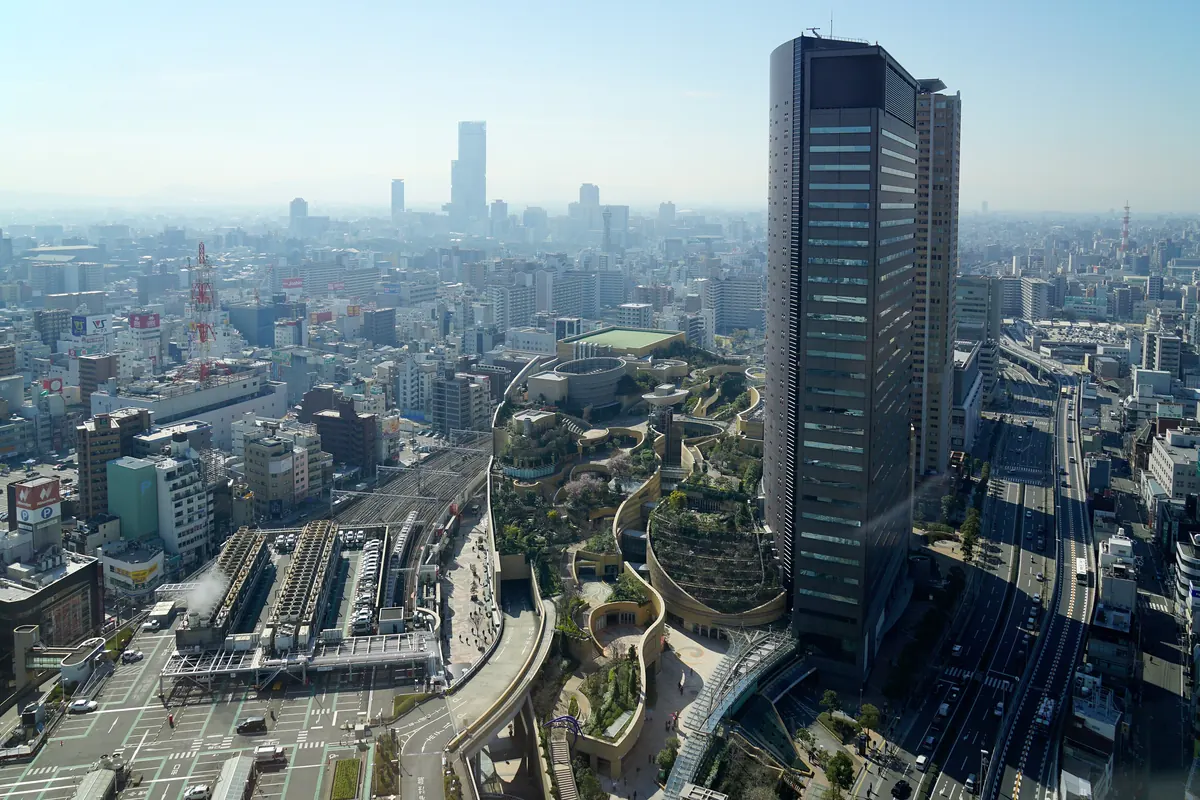
Pick the studio show for a flexible first look at sumo, and the Hirakuza show for a longer outing built around a meal, in Namba. The studio show is in Nishinari, runs 1.5 hours and lets you cancel free of charge until 24 hours beforehand. The Hirakuza show sits on the eighth floor of Namba Parks, lists a bento or snack with the show and a photo over about two hours, and is non-refundable on the booking page. Both are shows put on by wrestlers for visitors, not competitions.
The two shows side by side
These are the facts each booking page lists, in the same order for both. Read the booking pages for any change before you pay.
- Place: Nishinari Ward, in the AI Building, against Namba Parks, on its 8th floor
- Length: 1.5 hours against about 2 hours
- Programme: history, rituals, training, techniques, one bout and a ring challenge against a show with a meal and a photo
- Food: none among the listed inclusions against a bento or snack in the title
- Ring challenge: limited spots against a lottery
- Cancellation: free until 24 hours beforehand against non-refundable
Where each one is
The studio show meets in Nishinari Ward, in the south of Osaka. Wikipedia describes Nishinari as lying directly south of the Namba transport hub, and Shinsekai sits on its northern border. The Hirakuza show is listed in Namba Parks, a shopping complex in the Namba area, which is also where the March Grand Tournament arena stands. If your hotel is near Namba, the Hirakuza show is the closer of the two, and the studio show means a short trip south.
What each programme contains
The studio listing names five parts: history and rituals, training, famous techniques, a one-round match and a ring challenge. The Hirakuza listing describes a stage show with a meal, a fight and a photo session, with a challenge by lottery. The two programmes overlap, since both put retired wrestlers in front of an audience, but the studio listing leans on explanation and the Hirakuza one on an all-in outing. Neither listing gives a running order or promises particular bouts.
Food
Food is the clearest split. The Hirakuza listing is titled as a sumo show with a bento or snack, so the meal is part of the ticket. The studio listing does not list food or drink among its inclusions, so plan to eat before or after. Shinsekai, the neighbourhood by Nishinari, is known for kushikatsu, breaded and fried skewers, according to Wikipedia, and a street-food tour of the area is among the cards on this page.
Read next: Make a night of it in Shinsekai
The ring challenge
Both shows invite guests into the ring, with different rules. The studio listing says places are limited and does not say how they are given out. The Hirakuza listing says the challenge is by lottery. In both cases a turn is never promised, so book for the show and treat the ring as a bonus. People who stay seated still get the demonstration and the bout. Do not choose between them on the strength of a challenge you may not get.
Cancellation and risk
The two booking pages differ sharply here. The studio show lists free cancellation until 24 hours beforehand and reserve now, pay later. The Hirakuza listing is non-refundable. That does not make one a better show, but it changes how carefully you should pick a date. If your plans might move, the flexible booking carries less risk. If you are sure of the date and want the meal, the non-refundable ticket is a choice, not a trap, provided you read the terms first.
A third option in Nishinari
A second Nishinari show appears among the cards on this page. Its listing says ex-pro wrestlers and a ring challenge, with free cancellation. It is a different operator, with its own terms, and this guide has not compared its programme in detail. If the studio show has no date that suits you, it is worth reading before you give up on Nishinari. The comparison method is the same: place, length, food, challenge and cancellation. Read its meeting point first, because a second show in the same ward does not guarantee the same street.
Reading the review scores
The studio listing shows 4.9 from about 2,050 reviews, and the Hirakuza listing 4.4 from about 550. Treat the gap with care. A score measures the whole booking, including the meeting point, the staff, the terms and the weather outside, not only the sumo. Use the scores to see that both have many reviews, and the programme text to decide which format you want.
Time and starting times
The studio show is 1.5 hours and the Hirakuza show about two, so the second takes a larger bite from your day, especially once you add the meal. Neither booking page fixes a single starting time: the studio listing tells you to check availability for starting times, and the calendar on each page shows the slots for your date. Pick a date and slot together, then plan the rest of the day around them, including how long it takes to reach the meeting point.
Photographs
The Hirakuza listing names a photo as part of the programme, with the meal and the show. The studio listing's inclusions are the demonstrations, the English-speaking MC, the single-bout match, the training routines and the chance to face a wrestler, and a photo is not among them. If photographs with the wrestlers matter to you, read each page again before booking, because what is listed can change, and the page is the final word.
What neither listing tells you
Neither listing gives a running order, the number of wrestlers, the size of the ring or the length of each part. The studio listing does not say how its challenge places are given out, and neither page, as this guide read them, says whether children may take part in the ring. Where these gaps matter to your group, check the full text on the booking page, which may say more than this guide can, and ask the operator through the booking if you are unsure.
If your trip is in March
A visitor in Osaka in March can see the competition itself. The Japan Sumo Association's schedule page names the March Tournament at EDION Arena Osaka, which is in the same Namba district as the Hirakuza show. A tournament seat and a show do different jobs, so some travellers book both: the tournament for the contest, a show for the explanation. If you do, check the schedule page for dates and book the tournament through the association's ticket sites.
Read next: The Osaka Grand Tournament in March
Who each suits
The studio show suits first-timers who want explanation, travellers who need a flexible booking, and visitors who use a wheelchair, since the listing calls the venue accessible. The Hirakuza show suits visitors who want a meal and a show from one purchase, who are staying near Namba, and who are certain of their date. The studio listing carries more reviews, 4.9 from about 2,050 against 4.4 from about 550, though ratings measure the whole booking, not only the sumo.
Who this isn't for
Neither show is for someone who wants ranked competition: that is a Grand Tournament, held in Osaka in March. Nor does either suit someone hoping to watch a working stable at morning practice, which the listing places in Tokyo. And neither is a guaranteed ring turn. If any of those three is the real goal, book a tournament seat or plan a Tokyo stop, and treat the show as a warm-up rather than the main event.
How to decide in a minute
Ask three questions. Do you need to be able to cancel? If yes, take the studio show. Do you want a meal included? If yes, look at Hirakuza. Are you staying in Namba and tired of travelling? Then Hirakuza again. If none of these bites, the studio show's lower commitment is a sensible default. Open both calendars, compare starting times against your plans, and book only after reading the terms on the page. If both fit, the deciding factor is usually the date: take whichever show has the slot that suits the rest of your day, and keep the other in mind for a second visit.
Booking
Both shows are booked on GetYourGuide through the links on this site. The studio show has a calendar of starting times, free cancellation until 24 hours beforehand and reserve now, pay later. Read the Hirakuza terms on its own page, especially the non-refundable line and the lottery. Neither venue has any connection with this independent guide, and the booking and payment happen on GetYourGuide.
Frequently asked questions
Which Osaka sumo show is better, the studio or Hirakuza?
They suit different needs. The studio show is shorter, in Nishinari, with free cancellation until 24 hours beforehand. The Hirakuza show is in Namba Parks, includes a bento or snack, and is non-refundable.
Does the Hirakuza show include food?
Yes. Its listing is titled as a sumo show with a bento or snack. The studio listing does not list food among its inclusions.
Is the Hirakuza show refundable?
No. The booking page lists it as non-refundable. Pick the date carefully before paying.
How does the ring challenge differ?
The studio show lists limited spots for guests who wish to take on a wrestler. The Hirakuza show decides its challenge by lottery. Neither promises a turn.
Which show is in Namba?
The Hirakuza show, on the eighth floor of Namba Parks. The studio show meets in Nishinari Ward, south of the Namba area.
Can I see real tournament sumo instead?
Yes, in March. The Japan Sumo Association's schedule lists the March Tournament at EDION Arena Osaka, in Namba, with tickets sold separately.
Sources